Dry Needling
Relieve muscle pain and tension. Restore better movement.
Our physical therapists use precise dry needling techniques to address tight or irritated muscle tissue, reduce discomfort, and support your recovery.
What Is Dry Needling?
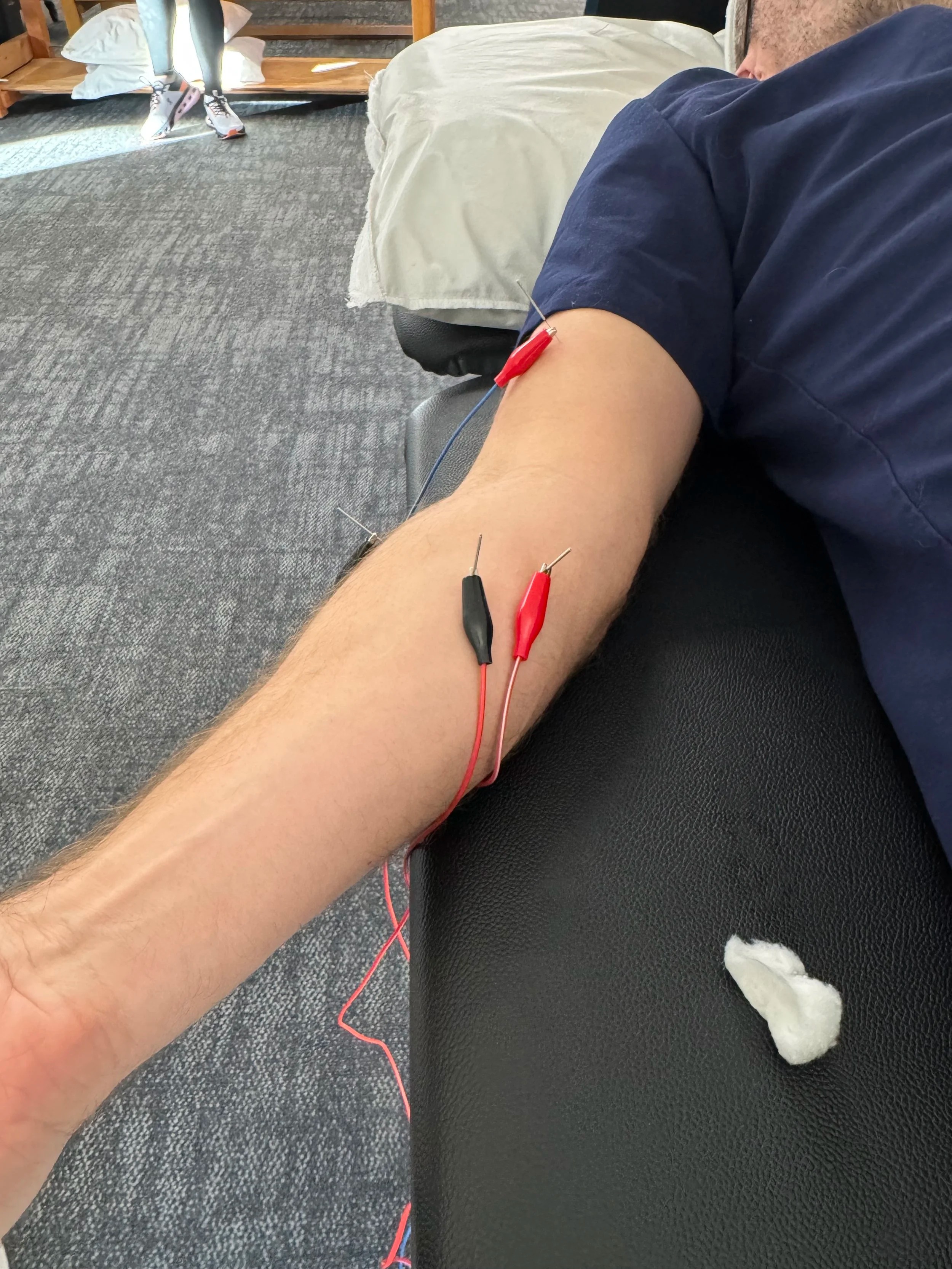
Dry needling is a safe, effective therapy used by our physical therapists to help relieve muscle pain, tension, and movement limitations. It focuses on tight or irritated muscle tissue, often called trigger points, to reduce discomfort and improve how your body moves.
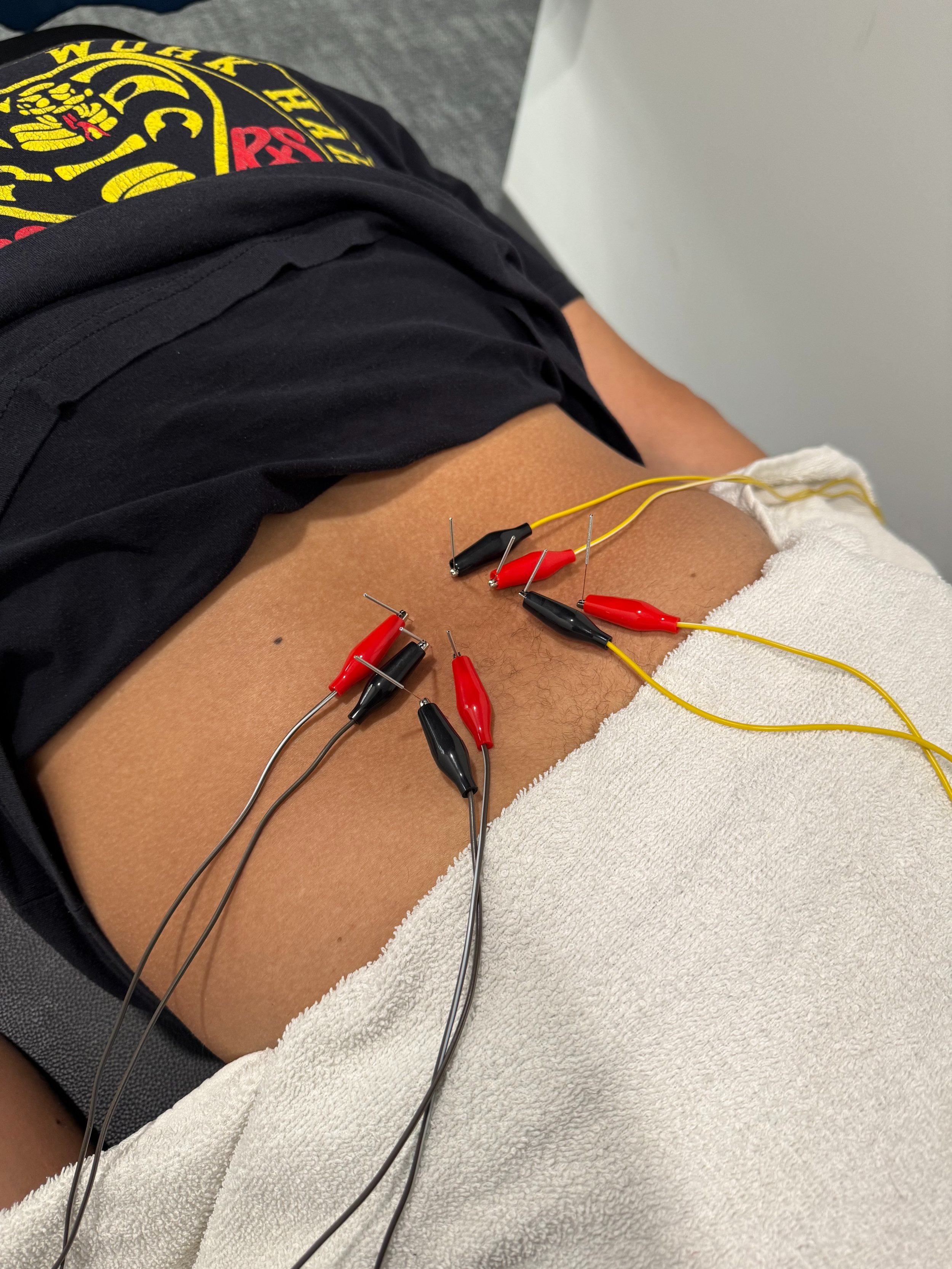
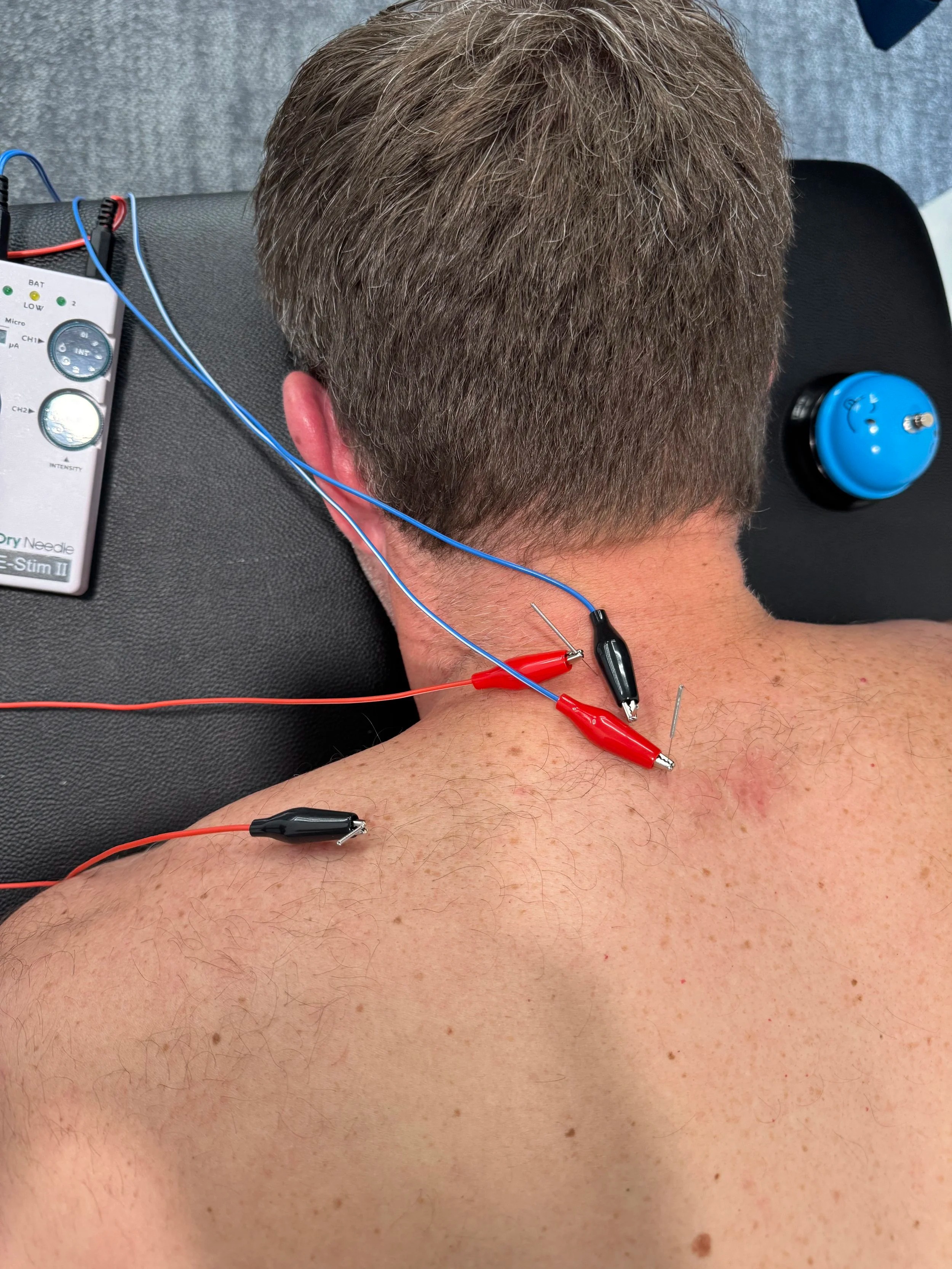
During a session, very thin, sterile needles are gently inserted into specific muscle areas to help them relax and function better. The needles do not deliver medication. Instead, they stimulate the muscle and nervous system in a precise way.
Dry needling is one tool in a personalized physical therapy plan—often paired with therapeutic exercise, movement training, and hands-on care to help you move better and feel better.
How Does Dry Needling Help?
Dry needling can help your body feel better in several important ways.
Relieves Muscle Tension
Needling releases tight knots and tension in muscle tissue, which can reduce pain and stiffness.
Improves Muscle Function
By targeting areas that are not working well, dry needling can help muscles activate more normally, improving strength, coordination, and movement.
Increases Blood Flow
Stimulating the muscle helps bring more oxygen and nutrients to the area, promoting healing and recovery.
Conditions It Can Help
Dry needling is commonly used as part of a physical therapy plan for:
- Neck, back, shoulder, or hip pain
- Headaches and muscle tension
- Sports-related injuries
- Chronic muscle tightness
- Radiating or nerve-related discomfort
- Tendonitis or overuse pains
Your therapist will evaluate your symptoms, movement, and goals to determine whether dry needling is an appropriate part of your care.
How It Helps With Nerve-Related Pain & Irritation
Dry needling can provide meaningful relief when nerve irritation or nerve-related symptoms are part of the problem.
- Reduces pressure around irritated nerves: Tight muscles can press on nearby nerves, contributing to burning, radiating pain, tingling, or numbness. Releasing muscle tension can reduce that pressure.
- Calms overactive nervous system signals: When nerves are sensitized, they can send stronger pain messages. Dry needling helps reset these responses so pain signals are reduced.
- Improves muscle activation: Nerve irritation often leads to weakness because muscles do not fire properly. Reducing irritation and improving muscle function supports better strength and movement.
Dry needling does not directly fix structural nerve compression, but it can reduce irritation and improve how muscles and nerves work together as part of an overall recovery plan.
Is Dry Needling Safe?
Yes. When performed by a trained and licensed physical therapist, dry needling is considered safe and effective. We use sterile, single-use needles and follow strict clinical safety standards.
What Does It Feel Like?
Most people find dry needling tolerable. You may feel:
- A quick pinch as the needle enters
- A muscle twitch or brief sensation as the muscle responds
- Mild soreness for a day or two afterward, similar to post-exercise soreness
These sensations are typical and usually short-lived.
Part of Your Personalized Treatment
Dry needling is most effective when paired with therapeutic exercise, movement training, and physical therapy care tailored to your needs. Our goal is to reduce pain, improve mobility, and help you return to the activities that matter to you.
Contact BMSR to find out how dry needling can support your rehabilitation process.